
Top-Rated Products For Foundation Repair To Restore Structural Soundness
Explore a range of highly rated foundation repair products designed to address various foundation problems with confidence.
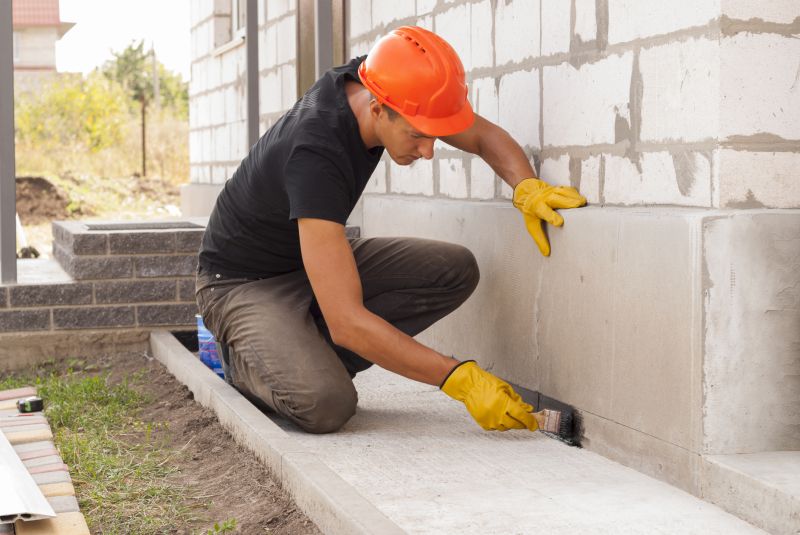 Foundation repair is a critical aspect of maintaining the structural integrity of a building, especially in areas like Madisonville, KY where soil conditions and weather patterns can impact a property's foundation over time. Various products are available to address issues such as settling, cracking, or shifting foundations, each suited to different types of damage and soil conditions. Selecting the right repair products involves understanding the specific needs of your property, the severity of the issue, and compatibility with existing structures.
Top Overall Option
Polyurethane Foam Injection System
Polyurethane foam injection systems are versatile and minimally invasive solutions used to lift and stabilize sinking or settling foundations. They work by injecting expanding foam beneath the foundation to fill voids and lift the structure gradually. This method is often suitable for repairing minor to moderate foundation issues and can be performed with minimal disruption to the property. Proper application by professionals ensures the foam expands evenly, providing effective support and stabilization over time.
Types of Products For Foundation Repairs
Helical Pier Systems
Helical piers are steel shafts with helical blades that are screwed into the ground to support and stabilize foundations, especially in problematic soil conditions.
Push Piers
Push piers are driven into the soil beneath the foundation to lift and stabilize structures affected by settlement or shifting.
Polyurethane Foam
Polyurethane foam injections fill voids and lift sinking foundations, providing a quick and minimally invasive repair option.
Steel Push Piles
Steel push piles are used to reinforce and stabilize foundations by transferring load to deeper, more stable soil layers.
Underpinning Plates
Underpinning plates are used in conjunction with piers to distribute weight evenly and reinforce weak foundation areas.
Mudjacking / Slab Jacking
This process involves injecting a slurry mixture beneath concrete slabs to lift and level sunken areas.
Carbon Fiber Reinforcement
Carbon fiber straps are applied to crack areas to reinforce and prevent further cracking in foundations.
Grout Injection
Grout injections fill cracks and voids in concrete and masonry, helping to restore stability.
Anchor Bolts
Anchor bolts secure framing and structural elements to the foundation, providing additional stability.
Drainage Systems
Proper drainage products help control moisture around the foundation, reducing soil movement and potential damage.
Waterproofing Membranes
Membranes prevent water infiltration, protecting foundation walls from moisture-related deterioration.
Foundation Sealants
Sealants are used to fill minor cracks and prevent water intrusion, helping to maintain foundation integrity.
Vapor Barriers
Vapor barriers control moisture vapor transmission, protecting foundation and basement areas.
Soil Stabilizers
Chemical soil stabilizers improve soil compaction and reduce shifting that can affect foundations.
Concrete Patching Materials
Patching compounds repair cracks and surface damage in concrete slabs and walls.
Drainage Matting
Drainage matting directs water away from foundation walls, reducing hydrostatic pressure.
Foundation Ventilation Systems
Ventilation helps control moisture levels within crawl spaces and basements, preventing mold and deterioration.
Popular Choices
A popular choice for quick, minimally invasive foundation lifting and stabilization.
Widely used for their ability to support deep or unstable soils and provide long-term stability.
Commonly selected for their effectiveness in lifting and stabilizing settled foundations.
Often chosen for leveling sunken concrete slabs with a less invasive approach.
Frequently used for crack reinforcement and preventing further damage.
Essential products for managing moisture and reducing soil movement around foundations.
Popular for protecting basement walls from water infiltration.
Chosen for sealing minor cracks and preventing water entry.
Commonly used to reinforce weak or compromised foundation areas.
In demand for improving soil conditions and reducing foundation movement.
Widely used for surface repairs and crack sealing.
Popular for directing water away from vulnerable foundation zones.
Frequently installed in basements and crawl spaces to control moisture vapor.
Commonly used for securing framing to the foundation and enhancing stability.
Selected for improving air circulation and moisture control in crawl spaces.
Foundation repair products are designed to stabilize, lift, or reinforce the existing foundation. Some solutions focus on underpinning, which involves strengthening the foundation from below, while others provide surface-level stabilization or sealing to prevent further deterioration. Proper assessment by a professional can help determine the most appropriate products and methods for your situation.
When considering foundation repair products, it is important to evaluate factors such as the type of foundation (slab, crawl space, basement), soil composition, moisture levels, and the extent of damage. Using quality materials and proven techniques can help ensure long-lasting results. Regular inspections and maintenance can also prevent minor issues from escalating into major structural concerns, saving time and resources in the long run.
Ultimately, foundation repair is a specialized field that benefits from experienced professionals and reliable products. Whether you are dealing with minor cracks or significant shifting, choosing the right products can contribute to the stability and safety of your property in Madisonville, KY. Consulting with licensed contractors or structural engineers can provide tailored solutions to meet your specific needs.
Key Buying Considerations
- Assess the specific foundation issues, such as cracking, settling, or shifting, to choose appropriate products.
- Understand the soil conditions and moisture levels on your property, as these influence product effectiveness.
- Determine the extent of damage to decide between surface repairs or deep underpinning solutions.
- Consult with licensed foundation specialists or structural engineers for accurate diagnosis and recommendations.
- Verify the compatibility of repair products with your existing foundation materials and construction type.
- Consider the longevity and durability of the materials used to ensure long-term stability.
- Evaluate the invasiveness of the repair method—some solutions are minimally invasive while others require more extensive work.
- Check for manufacturer warranties or guarantees offered with the products or services.
- Review local building codes and regulations to ensure compliance with repair methods and products.
- Factor in the cost-effectiveness of different repair options, balancing initial investment with long-term benefits.
- Look for products that allow for future adjustments or repairs if necessary.
- Consider the environmental conditions, such as drainage and water management, to prevent recurring issues.
- Assess the ease of installation or repair, especially if considering DIY solutions or professional services.
- Research product reviews and testimonials to gauge reliability and performance.
- Ensure that the chosen products are suitable for the specific foundation type—slab, basement, crawl space.